
Back to blog
Category

Health

Focused articles from Nwsdata, grouped for quicker discovery and easier reading.

13

Articles

1

Page

Search "Health"
Category search

Search Health

Section

Health spotlight

The key article first, and related reads below.

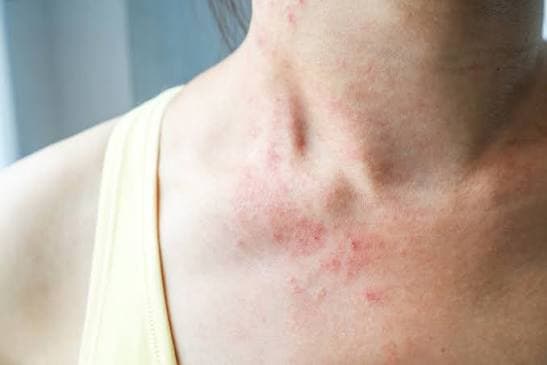
Can you get eczema as an adult?
Health

Can you get eczema as an adult?

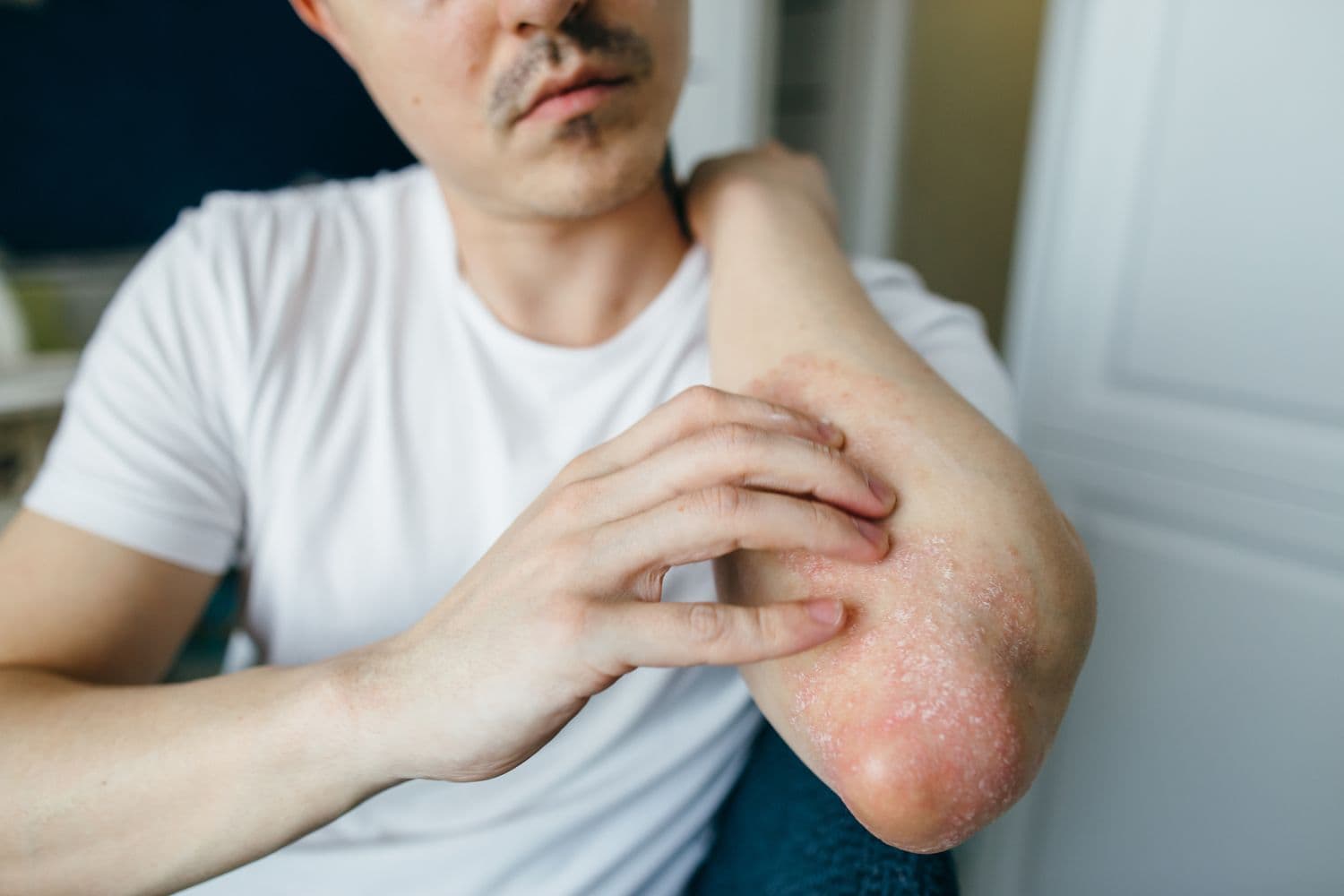
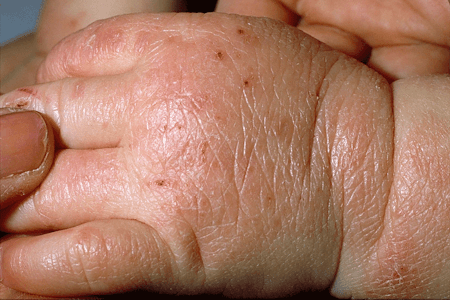
Adults can get any type of eczema, including atopic dermatitis (AD), which many people consider a childhood disease. When AD begins after your 18th birthday, dermatologists call it adult-onset atopic dermatitis. You’d receive this diagnosis if you never had AD before. A peak time for developing adult-onset AD is in your 50s.

Oct 1, 2026Read Article
Section

More Health articles

Full-width grid for continuing through the category.

Multiple Sclerosis in Men

Multiple Sclerosis in Men

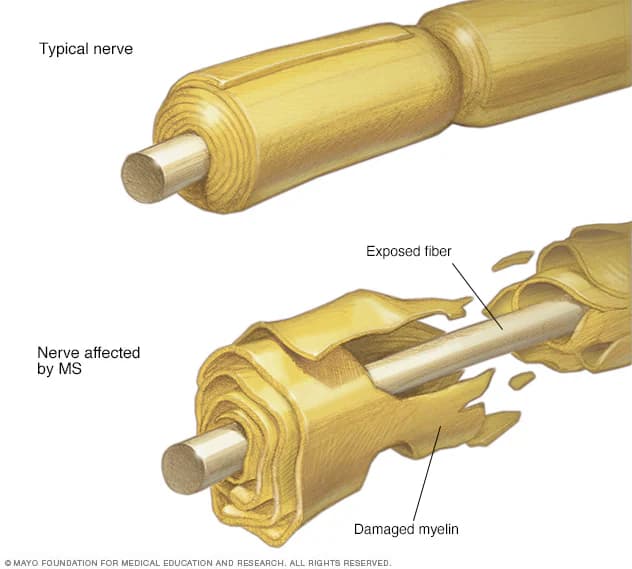
Multiple sclerosis (MS) is a chronic disorder of the central nervous system. In MS, messages between the brain and the rest of the body are disrupted, causing a wide array of symptoms. In 2020, researchers estimated that 2.8 million people around the world are living with MS. Overall, women are twice as likely to have MS as men, but the ratio of women to men is as high as 4 to 1 in some countries. Learn how MS in men differs from MS in women and why it’s important to seek a diagnosis and early treatment.

Read Article

Multiple sclerosis

Multiple sclerosis

What is multiple sclerosis? An expert explains Learn more from neurologist Oliver Tobin, M.B., B.Ch., B.A.O., Ph.D.

Read Article
Mesothelioma in Men

Mesothelioma in Men

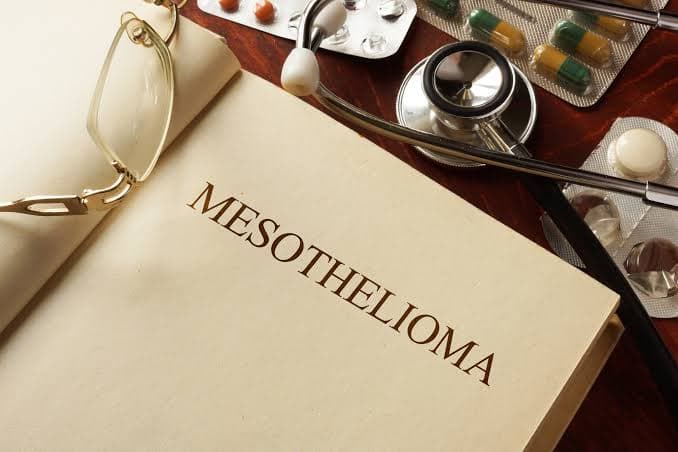
Mesothelioma is a cancer that starts as a growth of cells in the mesothelium. The mesothelium is a thin layer of tissue that covers many internal organs. Mesothelioma is pronounced me-zoe-thee-lee-O-muh. It most often happens in the tissue around the lungs. This is called pleural mesothelioma. Mesothelioma also can happen in the tissues in the belly, around the heart and around the testicles. Mesothelioma, which is sometimes called malignant mesothelioma, is a fast-growing and deadly form of cancer. There are mesothelioma treatments. But for many people with mesothelioma, there is no cure.

Read Article
Mesothelioma in Women

Mesothelioma in Women

About 1 in 4 people diagnosed with mesothelioma are women. Overall, most diagnoses are pleural mesothelioma (lung lining), but peritoneal mesothelioma (abdominal lining) is proportionally more common in women. Women with mesothelioma typically have better outcomes than men do.

Read Article
Mesothelioma Causes & Risk Factors

Mesothelioma Causes & Risk Factors

Asbestos exposure is the main cause of mesothelioma. Asbestos fibers can lodge in the lining of the lungs or abdomen, risking inflammation, DNA mutations and eventually cancer. Workers, veterans and families exposed secondhand face higher risks, with symptoms appearing 20 to 60 years after exposure.

Read Article
HIV and People Assigned Female At Birth: Common Symptoms

HIV and People Assigned Female At Birth: Common Symptoms

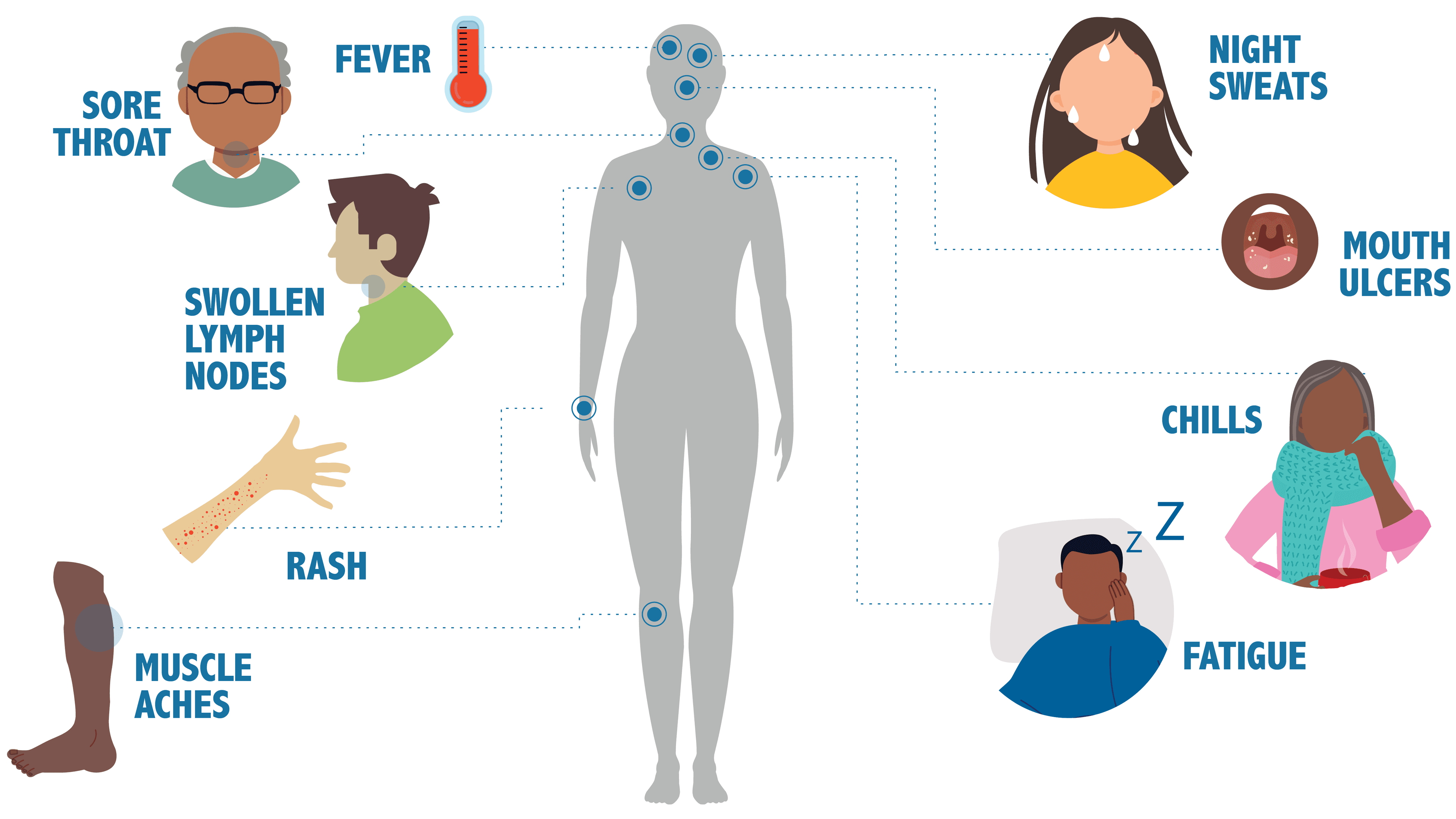
HIV symptoms in cisgender women and others assigned female at birth (AFAB) can range from common flu-like symptoms to skin changes, mood fluctuations, menstrual irregularities, and recurrent vaginal infections.

Read Article
What Are the Early Signs and Symptoms of HIV in Men?

What Are the Early Signs and Symptoms of HIV in Men?

The following information about HIV can be useful for men, as well as all sexes and genders. Read on for a complete breakdown of the most common early signs and symptoms of HIV. Plus, information about HIV testing and prevention, and how to become better informed about HIV.

Read Article
About HIV
HIV3 min

About HIV

HIV is a virus that attacks the body's immune system. The only way to know if you have HIV is to get tested. There are many ways to prevent HIV, like using PrEP, PEP, condoms and never sharing needles. HIV treatment helps people live long, healthy lives and prevents HIV transmission.

Read Article
10 habits for good health
Health3 min

10 habits for good health

The foundation of a healthy lifestyle consists of lasting habits like eating right, watching your weight, exercising regularly, managing your mental health, and getting routine medical exams. But even daily, small steps toward these goals also can have a significant impact. Here are some practices that can help support your ongoing health journey. While you might find it unrealistic to follow them all the time, try to include them in your daily life as much as possible.

Read Article