


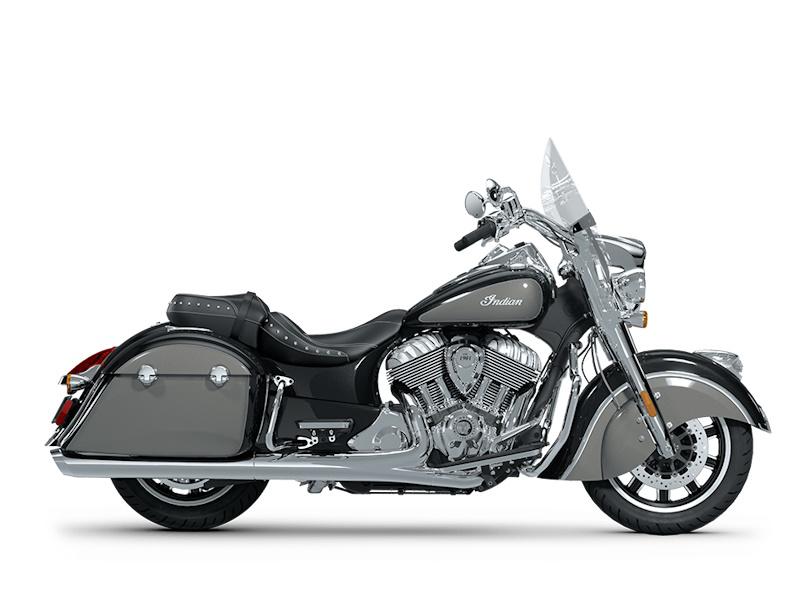
Motorbike valuation isn’t a single magic number. The value of your motorcycle changes depending on how you sell it (private sale vs dealer trade-in), where you sell it (local demand), and how your bike compares to similar listings (condition, mileage, mods, and service history).
If you’re trying to check your bike’s resale value, this guide explains the biggest factors that affect motorbike valuation—and how to use them to price your bike realistically.
Which motorbike value are you looking for?
Before you estimate price, pick the valuation type:
- Private sale value: usually highest (you do the work, you keep the margin).
- Dealer trade-in value: usually lower (dealer needs margin + reconditioning buffer).
- Dealer retail value: what you see on a showroom floor (highest, includes overhead and warranty/conditioning).
- Instant offer / buy-now quote: conditional on inspection and market demand.
Quick rule: If you want the most money → private sale. If you want speed and convenience → trade-in.
Make, model, and category
Your bike’s base value starts with its identity:
- Brand reputation and reliability perception (affects buyer confidence).
- Model popularity (some bikes have cult followings and hold value well).
- Category trends (ADV and retro may trend stronger than supersport in some markets).
- Engine size and license appeal (new riders often target 300–500cc; experienced riders may prefer 650–900cc sweet spot bikes).
What this means for valuation: Two bikes with the same MSRP can have very different resale performance depending on market demand for that style.
Age and depreciation curve
Motorbikes typically lose value fastest in the first few years, then depreciation slows—especially for:
- popular models,
- bikes with proven reliability,
- limited editions (when truly scarce and desirable).
Older bikes can hold value surprisingly well if they’re:
- well maintained,
- mostly original,
- and have clean documentation.
Mileage
Mileage is one of the first numbers buyers judge because it predicts:
- wear on engine/drivetrain,
- service intervals coming soon,
- and the bike’s overall life stage.
Typical buyer psychology
- Very low mileage can be a plus if the bike was stored correctly and serviced.
- Average mileage is easiest to price.
- High mileage isn’t always bad, but it demands proof of maintenance.
Pro tip: A high-mileage bike with full service history can outperform a low-mileage bike with no records.
Condition
Condition is where two identical bikes can end up thousands apart.
What increases value
- Clean paint and plastics
- Straight wheels and forks
- Healthy chain/sprockets
- Smooth cold start, stable idle
- No leaks, no warning lights
- OEM-quality appearance
What reduces value (fast)
- Fork seal leaks
- Rust or corrosion
- Smoking exhaust or rough idle
- Scratched fairings/tank dents
- Bent levers/pegs (signs of a drop)
- Worn tires/brakes
- Electrical issues
Reality check: Buyers pay for confidence. Cosmetic damage often signals what else is wrong?
Service history and receipts
This is one of the easiest ways to increase valuation without spending much money.
Buyers strongly prefer:
- stamped service book or dated invoices,
- proof of oil changes and major services,
- documented valve checks (where applicable),
- proof of recent consumables (tires, chain, brake pads).
Why it matters: A bike with records reduces the buyer’s perceived risk, which supports a higher asking price.
Modifications and aftermarket parts
Mods are the most misunderstood valuation factor.
Mods that can help
- Quality exhaust with stock parts included
- Reputable suspension upgrades (especially on sport/track bikes)
- Luggage racks/panniers for touring/ADV
- Crash protection on ADV/commuter bikes
- Fresh, quality tires
Mods that often hurt value
- Cheap or noisy exhaust with no original parts
- DIY electrical work (lights, wiring, alarms)
- Aggressive cosmetic changes (wraps, stickers, stunt setups)
- Engine tuning without documentation
- Missing emissions equipment (where relevant)
Best practice: Keep original parts and list them. Stock available makes more buyers comfortable.
Accident history, drops, and frame integrity
A minor tip-over is common. Structural damage is a dealbreaker.
Valuation drops hard if there’s evidence of:
- frame damage,
- major crash repairs,
- salvage/rebuilt title (where titles apply),
- airbag-style safety system deployment (rare on bikes but relevant on some models).
Even if repaired, buyers price in risk and future resale difficulty.
Tires, chain, brakes, and consumables
These are hidden costs buyers subtract mentally.
A bike needing:
- tires soon,
- chain/sprockets,
- brake pads/discs,
- battery,
will usually sell for less (or take longer), because the buyer is budgeting immediate spend.
Simple win: If your tires are almost done, you don’t always need to replace them—just price accordingly and be transparent.
Seasonality and timing
Motorbike markets are seasonal in many places:
- Spring/early summer: more demand, better prices.
- Late fall/winter: fewer buyers, more negotiation.
Tip: Listing before peak season can increase valuation because buyers compete for inventory.
Location and local market supply
Your bike’s value depends on what buyers near you want—and what’s available locally.
Factors that shift prices by region:
- urban commuting demand (small/mid bikes),
- off-road access and ADV culture,
- weather (short vs long riding season),
- local insurance and registration costs,
- fuel prices and traffic patterns.
Practical move: Always compare your bike against listings within a realistic driving distance.
Motorbike valuation factors table
| Factor | Usually increases value | Usually decreases value |
|---|---|---|
| Model demand | Popular models, broad appeal | Niche models with limited buyer pool |
| Mileage | Lower-than-average + serviced | Very high mileage with no records |
| Condition | Clean cosmetics + mechanical health | Leaks, corrosion, dents, warning lights |
| Service history | Receipts, scheduled maintenance | No proof, missed major services |
| Mods | Quality upgrades + stock parts included | Cheap mods, wiring hacks, missing OEM parts |
| Consumables | New-ish tires, chain, brakes | Worn tires, stretched chain, old battery |
| Timing | Spring/early summer | Winter/off-season (many markets) |
| Location | High local demand, low supply | Oversupply or low interest locally |
How to check your motorbike’s resale value
Identify your exact bike spec: Year, model, trim, ABS/non-ABS, mileage.
Set condition honestly: Grade it like a buyer would: excellent / good / fair.
Pull 10–20 comparable listings: Same model/year range, similar mileage, similar condition.
Adjust for differences:
- Add value for documented service and great condition
- Subtract value for worn tires, missing records, cosmetic damage
Choose a pricing strategy:
- Want faster sale → price at the lower end of the range
- Want maximum price → list slightly higher and negotiate
- Dealer trade-in → expect noticeably lower than private sale
Pricing tips that improve valuation
- Detail the bike (clean sells).
- Fix cheap issues (bulbs, mirrors, levers, fluids).
- Take clear photos in daylight (front/side/rear, tires, dash, VIN plate area where appropriate).
- Write a transparent description: service history, ownership, reasons for selling.
- Include original parts if modified.
Conclusion
Your motorbike valuation is mainly driven by model demand, mileage, condition, service history, and how your bike compares to local listings. The biggest price swings usually come from condition + documentation—and from whether mods increase buyer confidence or scare buyers away.