


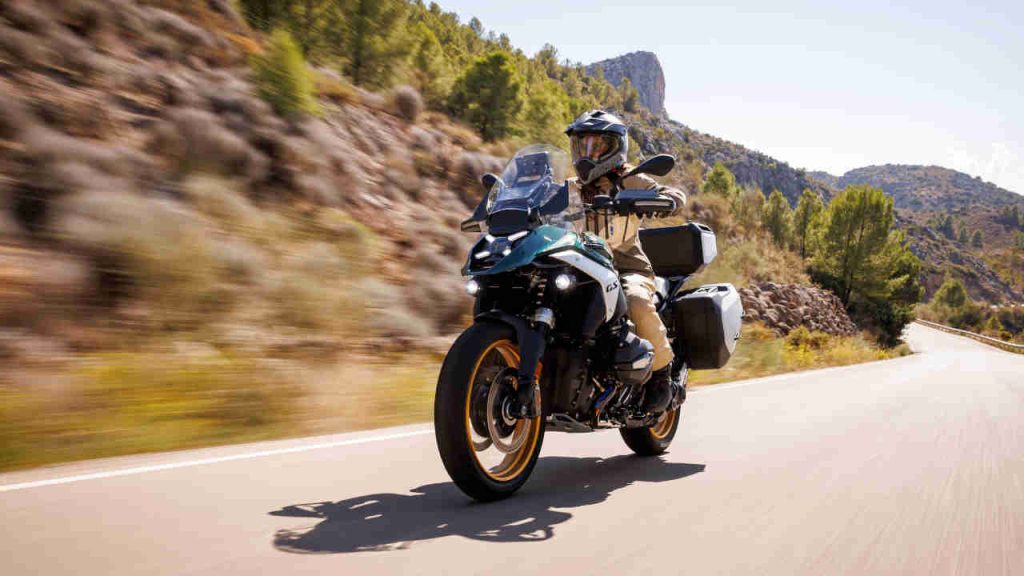
Renting a motorcycle in Europe is one of the fastest ways to turn a trip into a story: Alpine passes, coastal switchbacks, medieval towns, and “just one more detour” roads that somehow become the highlight. But compared with renting a car, motorcycle rental comes with extra layers—license categories, gear standards, cross-border permissions, insurance details, and security deposits.
This guide walks you through the full process, from choosing the right bike to avoiding the most common rental surprises, with practical tips for both short vacations and multi-country tours.
Choose the right type of motorcycle for your route
Before you compare prices, pick a bike category that fits your actual riding:
- Scooters (50–300cc): Best for cities and islands, easy parking, low fuel use.
- Standard / naked bikes (500–900cc): Great all-rounders for day trips and mixed roads.
- Adventure / touring (800–1300cc): Ideal for longer distances, luggage, and variable weather.
- Sport bikes: Fun on twisty roads, but can be tiring with luggage and long motorway stretches.
Rule of thumb: In Europe, weather and road variety change quickly. If you’re planning mountains + long days, prioritize comfort, wind protection, and luggage options over maximum power.
Licensing in Europe: what matters for rentals
EU motorcycle license categories (A1 / A2 / A)
Most European countries follow EU-wide category definitions, which matter because rental companies typically match the bike to your license class. The EU categories include: A1 (light motorcycles), A2 (motorcycles up to 35 kW), and A (unrestricted).
What this means for you:
Even if your home license says motorcycle, the rental shop may still need to confirm it maps to the appropriate EU category for the bike you want.
How long you’ve held your motorcycle license
Many rental companies require you to have held your motorcycle license for a minimum period (often 1–2+ years), especially for larger bikes. Examples of rental terms commonly reference “license held for 2 years” style requirements.
Do you need an International Driving Permit (IDP)?
An International Driving Permit (IDP) is essentially an official translation of your license. Some European countries require it for non-EU licenses; others don’t—but rental companies may still request it.
- For US travelers: USA.gov explains what an IDP is and that you carry it alongside your state license when required.
- AAA notes it’s one of the organizations authorized by the U.S. Department of State to issue IDPs.
- For UK travelers: GOV.UK provides an IDP guide and explains permit types and validity.
Practical tip: If you’re unsure, bringing an IDP is a low-cost way to reduce friction at pickup—especially if you’ll cross borders or rent outside major hubs.
Cross-border riding: the Schengen reality (and the rental contract reality)
Many riders assume that because Europe is borderless, they can ride anywhere. It’s often true in practice—but you still need permission from the rental company.
Schengen vs. your rental agreement
Schengen allows people to travel between many European countries with minimal internal border controls.
However, rental providers commonly require explicit authorization for cross-border travel and may restrict certain countries or require additional paperwork/insurance. For example, major rental groups outline cross-border documentation and insurance proof requirements in their FAQs.
New border processes for some travelers
If you’re a non-EU traveler entering the Schengen area, the EU’s Entry/Exit System (EES) rollout (biometric registration) has been reported to phase in from late 2025 with full implementation expected by April 2026.
This doesn’t change the motorcycle rental process directly—but it can affect border crossing time and planning for peak travel days.
Best practice: Tell the rental company your full route (countries + ferry legs) before you pay. Get written confirmation.
Insurance: what you’re really buying
Motorcycle rental insurance can be confusing because naming varies:
- Third-party liability (often mandatory in Europe)
- Collision/Damage coverage (limits your financial exposure, usually with an excess/deductible)
- Theft coverage (important in cities; check exclusions)
- Roadside assistance (worth it for multi-day touring)
Key questions to ask:
- What is the excess/deductible if the bike is damaged or stolen?
- Is cross-border coverage included for every country on your route?
- Are tires, wheels, underbody, or windscreen excluded? (Common!)
- Are you covered if you ride on unpaved roads?
Typical motorcycle rental costs in Europe
Prices vary heavily by country, season, and bike type. Expect higher rates in summer (June–September) and in tourism-heavy hubs.
Here’s a realistic planning table:
| Bike type | Typical day rate (rough range) | Best for | Notes |
|---|---|---|---|
| Scooter (50–300cc) | €30–€80/day | cities, islands | lower deposit, easier parking |
| Mid-size (500–900cc) | €70–€150/day | mixed touring | often best value |
| Touring/Adventure (1000cc+) | €120–€250+/day | Alps, long distances | higher deposit, higher insurance add-ons |
Security deposits: Many companies place a hold on your credit card; deposit size depends on bike value and insurance option. Some rental terms and guides cite deposits that can reach the high hundreds to over €1,000 for larger bikes.
Tolls, vignettes, and road fees: don’t get caught out
Several countries use vignettes (toll stickers/digital passes) for motorways/expressways.
- Austria: A vignette is required for motorways/expressways for vehicles up to 3.5t, including motorbikes.
- Austria’s tourism site lists 2026 vignette prices (example: single-track vehicles yearly rate and short-duration options).
Rental tip: Ask whether the motorcycle already has the required vignette, and whether you’ll be reimbursed if you buy one.
Gear and safety rules (helmet standards matter)
Helmet rules differ by country, but a common theme is that helmets must meet recognized safety standards.
- A European ECE approval label (often referred to as an E-mark) is widely referenced as the road-legal standard for helmets in Europe.
- GOV.UK also notes helmets must meet safety standards, including UNECE Regulation 22.05 and 22.06.
Practical tip: If you bring your own helmet, check it’s ECE compliant (or ask the rental shop to provide an ECE-approved helmet). Also consider gloves, jacket, and rain layers—Alpine weather can turn quickly even in summer.
Booking smart: how to save money and avoid counter pressure
- Book early for peak season. Inventory for popular touring bikes can sell out.
- Choose the right pickup point. Airports can be convenient, but city depots sometimes offer better rates and easier exits.
- Confirm luggage setup. Panniers/top box can add a lot to cost, but can also save you hassle.
- Be clear about mileage limits. Some rentals cap daily distance.
- Inspect the bike thoroughly. Photos + walkaround video at pickup and return.
Suggested Europe motorcycle rental routes
- The Alps sampler (Austria/Italy/Switzerland): big scenery, excellent roads, variable weather.
- Slovenia + Croatia coast: compact distances, dramatic coastline, great mix of mountains and sea.
- Spain’s Andalusia loop: warmer shoulder seasons, stunning roads, and classic hill towns.
- Scotland’s Highlands (UK): rugged landscapes and unforgettable single-track roads (plan for rain).
Route tip: Don’t overplan daily distance. On European mountain roads, 250 km can feel like a full day.
Conclusion
Motorcycle rental in Europe is absolutely worth it—if you plan like a rider, not like a car renter. Match the bike to your route, bring the right documents (often including an IDP), confirm cross-border permissions in writing, and make sure your insurance and deposit terms are crystal clear. With that handled, you’ll be free to focus on the best part: the ride.